Present — what is happening now, and what happens habitually
yo
vueloI fly
nosotros
volamoswe fly
tú
vuelasyou fly
vosotros
voláisyou all fly
él/ella/Ud.
vuelahe/she flies
ellos/Uds.
vuelanthey fly
Pretérito perfecto
Present perfect — have —ed; a past still touching now. Spain: today, this week. Latin America: mostly the indefinido instead
yo
he voladoI have flown
nosotros
hemos voladowe have flown
tú
has voladoyou have flown
vosotros
habéis voladoyou all have flown
él/ella/Ud.
ha voladohe/she has flown
ellos/Uds.
han voladothey have flown
Presente de subjuntivo
Present subjunctive — after que with wishes, doubt, emotion, ojalá
yo
vuele(that) I fly
nosotros
volemos(that) we fly
tú
vueles(that) you fly
vosotros
voléis(that) you all fly
él/ella/Ud.
vuele(that) he/she flies
ellos/Uds.
vuelen(that) they fly
Perfecto de subjuntivo
Present perfect subjunctive — have —ed, under doubt or emotion: no creo que haya venido
yo
haya volado(that) I have flown
nosotros
hayamos volado(that) we have flown
tú
hayas volado(that) you have flown
vosotros
hayáis volado(that) you all have flown
él/ella/Ud.
haya volado(that) he/she has flown
ellos/Uds.
hayan volado(that) they have flown
Pasadowhat went on
Pretérito indefinido
Preterite — a finished past action — it started, it ended
yo
voléI flew
nosotros
volamoswe flew
tú
volasteyou flew
vosotros
volasteisyou all flew
él/ella/Ud.
volóhe/she flew
ellos/Uds.
volaronthey flew
Pretérito imperfecto
Imperfect — used to / was —ing; background, habits, descriptions
yo
volabaI used to fly
nosotros
volábamoswe used to fly
tú
volabasyou used to fly
vosotros
volabaisyou all used to fly
él/ella/Ud.
volabahe/she used to fly
ellos/Uds.
volabanthey used to fly
Pretérito pluscuamperfecto
Past perfect — had —ed; further back than another past event
yo
había voladoI had flown
nosotros
habíamos voladowe had flown
tú
habías voladoyou had flown
vosotros
habíais voladoyou all had flown
él/ella/Ud.
había voladohe/she had flown
ellos/Uds.
habían voladothey had flown
Imperfecto de subjuntivo (-ra)
Imperfect subjunctive — si clauses and past-tense wishes: si tuviera, quería que fuera
yo
volara(that) I flew
nosotros
voláramos(that) we flew
tú
volaras(that) you flew
vosotros
volarais(that) you all flew
él/ella/Ud.
volara(that) he/she flew
ellos/Uds.
volaran(that) they flew
Imperfecto de subjuntivo (-se)
Imperfect subjunctive — the same tense, second form; commoner in Spain and in writing
yo
volase(that) I flew
nosotros
volásemos(that) we flew
tú
volases(that) you flew
vosotros
volaseis(that) you all flew
él/ella/Ud.
volase(that) he/she flew
ellos/Uds.
volasen(that) they flew
Pluscuamperfecto de subjuntivo
Past perfect subjunctive — had —ed, hypothetically: si hubiera sabido
yo
hubiera volado(that) I had flown
nosotros
hubiéramos volado(that) we had flown
tú
hubieras volado(that) you had flown
vosotros
hubierais volado(that) you all had flown
él/ella/Ud.
hubiera volado(that) he/she had flown
ellos/Uds.
hubieran volado(that) they had flown
Pretérito anterior
Preterite perfect — had —ed, immediately before; literary, all but extinct
yo
hube voladoI had flown
nosotros
hubimos voladowe had flown
tú
hubiste voladoyou had flown
vosotros
hubisteis voladoyou all had flown
él/ella/Ud.
hubo voladohe/she had flown
ellos/Uds.
hubieron voladothey had flown
Futurowhat will or would go on
Futuro simple
Future — will — (spoken Spanish often prefers voy a + infinitivo)
yo
volaréI will fly
nosotros
volaremoswe will fly
tú
volarásyou will fly
vosotros
volaréisyou all will fly
él/ella/Ud.
volaráhe/she will fly
ellos/Uds.
volaránthey will fly
Condicional simple
Conditional — would —; also softens a request into politeness
yo
volaríaI would fly
nosotros
volaríamoswe would fly
tú
volaríasyou would fly
vosotros
volaríaisyou all would fly
él/ella/Ud.
volaríahe/she would fly
ellos/Uds.
volaríanthey would fly
Futuro perfecto
Future perfect — will have —ed; done by some future point
yo
habré voladoI will have flown
nosotros
habremos voladowe will have flown
tú
habrás voladoyou will have flown
vosotros
habréis voladoyou all will have flown
él/ella/Ud.
habrá voladohe/she will have flown
ellos/Uds.
habrán voladothey will have flown
Condicional perfecto
Conditional perfect — would have —ed; the road not taken
yo
habría voladoI would have flown
nosotros
habríamos voladowe would have flown
tú
habrías voladoyou would have flown
vosotros
habríais voladoyou all would have flown
él/ella/Ud.
habría voladohe/she would have flown
ellos/Uds.
habrían voladothey would have flown
Futuro de subjuntivo
Future subjunctive — legal and proverbial only: adonde fueres, haz lo que vieres
yo
volare(should) I fly
nosotros
voláremos(should) we fly
tú
volares(should) you fly
vosotros
volareis(should) you all fly
él/ella/Ud.
volare(should) he/she fly
ellos/Uds.
volaren(should) they fly
Imperativotelling someone to
Imperativo afirmativo
Imperative (do it) — orders and requests; there is no yo form
yo
—
nosotros
volemoslet's fly
tú
vuelafly!
vosotros
voladfly!
él/ella/Ud.
vuelefly!
ellos/Uds.
vuelenfly!
Imperativo negativo
Imperative (don't) — no + subjunctive — never the affirmative form with no in front
yo
—
nosotros
no volemoslet's not fly
tú
no vuelesdon't fly
vosotros
no voléisdon't fly
él/ella/Ud.
no vueledon't fly
ellos/Uds.
no vuelendon't fly
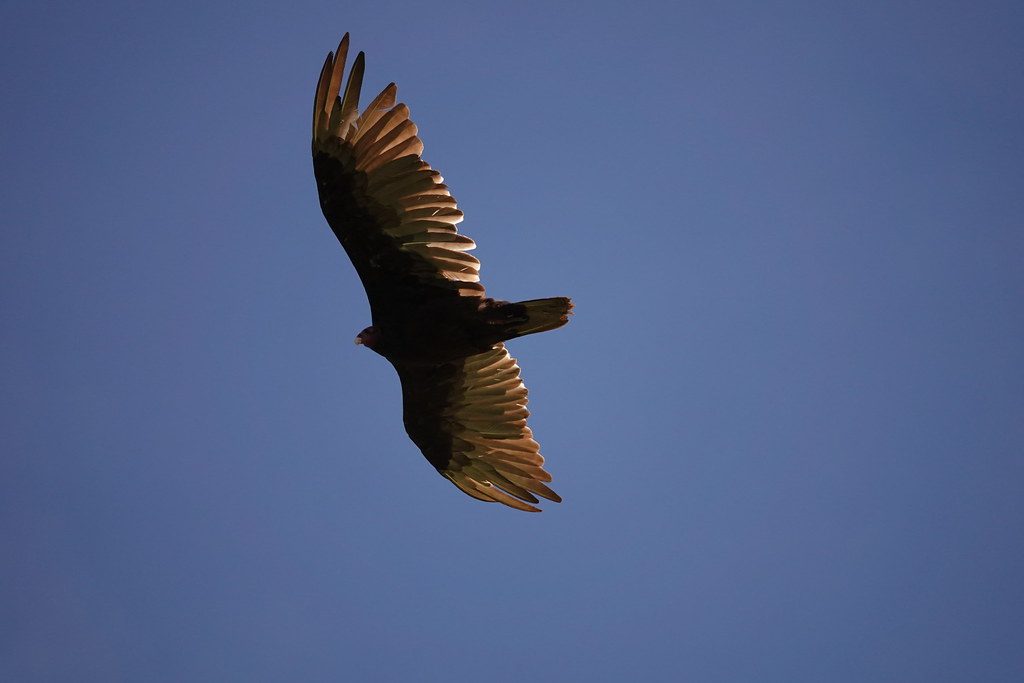
Imagen.Ave en vuelo sobre el sendero Pacific Crest, julio de 2018, en el desfiladero del río Columbia; foto cedida por la senderista Eva-Maria Mauz. — traducido de Bird in flight along Pacific Crest Trail in July 2018 in the Columbia River Gorge, photo courtesy of through-hiker Eva-Maria Mauz. (Forest Service Pacific Northwest Region · flickr · PDM)
Ave en vuelo sobre el sendero Pacific Crest, julio de 2018, en el desfiladero del río Columbia; foto cedida por la senderista Eva-Maria Mauz. — Bird in flight along Pacific Crest Trail in July 2018 in the Columbia River Gorge, photo courtesy of through-hiker Eva-Maria Mauz. · fuente
Red = the form breaks the regular pattern. Everything in black you could have worked out from the endings alone.
he, she, you (formal) — one other person — formal you shares it
Presente
vuelahe/she flies
Perfecto
ha voladohe/she has flown
Subj. presente
vuele(that) he/she flies
Subj. perfecto
haya volado(that) he/she has flown
Futuro
volaráhe/she will fly
Condicional
volaríahe/she would fly
Fut. perfecto
habrá voladohe/she will have flown
Cond. perfecto
habría voladohe/she would have flown
Subj. futuro
volare(should) he/she fly
Indefinido
volóhe/she flew
Imperfecto
volabahe/she used to fly
Pluscuamp.
había voladohe/she had flown
Subj. imperf.
volara(that) he/she flew
Subj. -se
volase(that) he/she flew
Subj. pluscuamp.
hubiera volado(that) he/she had flown
Pret. anterior
hubo voladohe/she had flown
Imperativo
vuelefly!
Imper. negativo
no vueledon't fly
ellos / ellas / ustedes
they, you all — several others — plural you shares it
Presente
vuelanthey fly
Perfecto
han voladothey have flown
Subj. presente
vuelen(that) they fly
Subj. perfecto
hayan volado(that) they have flown
Futuro
volaránthey will fly
Condicional
volaríanthey would fly
Fut. perfecto
habrán voladothey will have flown
Cond. perfecto
habrían voladothey would have flown
Subj. futuro
volaren(should) they fly
Indefinido
volaronthey flew
Imperfecto
volabanthey used to fly
Pluscuamp.
habían voladothey had flown
Subj. imperf.
volaran(that) they flew
Subj. -se
volasen(that) they flew
Subj. pluscuamp.
hubieran volado(that) they had flown
Pret. anterior
hubieron voladothey had flown
Imperativo
vuelenfly!
Imper. negativo
no vuelendon't fly
Imagen.Ave en vuelo sobre el sendero Pacific Crest, julio de 2018, en el desfiladero del río Columbia; foto cedida por la senderista Eva-Maria Mauz. — traducido de Bird in flight along Pacific Crest Trail in July 2018 in the Columbia River Gorge, photo courtesy of through-hiker Eva-Maria Mauz. (Forest Service Pacific Northwest Region · flickr · PDM)
Ave en vuelo sobre el sendero Pacific Crest, julio de 2018, en el desfiladero del río Columbia; foto cedida por la senderista Eva-Maria Mauz. — Bird in flight along Pacific Crest Trail in July 2018 in the Columbia River Gorge, photo courtesy of through-hiker Eva-Maria Mauz. · fuente
Red = the form breaks the regular pattern. Everything in black you could have worked out from the endings alone.