participiosidogerundiosiendohe + participiohe sidoestoy + gerundioestoy siendo
Presentewhat is going on now
Presente
Present — what is happening now, and what happens habitually
yo
soyI am
nosotros
somoswe are
tú
eresyou are
vosotros
soisyou all are
él/ella/Ud.
eshe/she is
ellos/Uds.
sonthey are
Pretérito perfecto
Present perfect — have —ed; a past still touching now. Spain: today, this week. Latin America: mostly the indefinido instead
yo
he sidoI have been
nosotros
hemos sidowe have been
tú
has sidoyou have been
vosotros
habéis sidoyou all have been
él/ella/Ud.
ha sidohe/she has been
ellos/Uds.
han sidothey have been
Presente de subjuntivo
Present subjunctive — after que with wishes, doubt, emotion, ojalá
yo
sea(that) I am
nosotros
seamos(that) we are
tú
seas(that) you are
vosotros
seáis(that) you all are
él/ella/Ud.
sea(that) he/she is
ellos/Uds.
sean(that) they are
Perfecto de subjuntivo
Present perfect subjunctive — have —ed, under doubt or emotion: no creo que haya venido
yo
haya sido(that) I have been
nosotros
hayamos sido(that) we have been
tú
hayas sido(that) you have been
vosotros
hayáis sido(that) you all have been
él/ella/Ud.
haya sido(that) he/she has been
ellos/Uds.
hayan sido(that) they have been
Pasadowhat went on
Pretérito indefinido
Preterite — a finished past action — it started, it ended
yo
fuiI was
nosotros
fuimoswe were
tú
fuisteyou were
vosotros
fuisteisyou all were
él/ella/Ud.
fuehe/she was
ellos/Uds.
fueronthey were
Pretérito imperfecto
Imperfect — used to / was —ing; background, habits, descriptions
yo
eraI used to be
nosotros
éramoswe used to be
tú
erasyou used to be
vosotros
eraisyou all used to be
él/ella/Ud.
erahe/she used to be
ellos/Uds.
eranthey used to be
Pretérito pluscuamperfecto
Past perfect — had —ed; further back than another past event
yo
había sidoI had been
nosotros
habíamos sidowe had been
tú
habías sidoyou had been
vosotros
habíais sidoyou all had been
él/ella/Ud.
había sidohe/she had been
ellos/Uds.
habían sidothey had been
Imperfecto de subjuntivo (-ra)
Imperfect subjunctive — si clauses and past-tense wishes: si tuviera, quería que fuera
yo
fuera(that) I was
nosotros
fuéramos(that) we were
tú
fueras(that) you were
vosotros
fuerais(that) you all were
él/ella/Ud.
fuera(that) he/she was
ellos/Uds.
fueran(that) they were
Imperfecto de subjuntivo (-se)
Imperfect subjunctive — the same tense, second form; commoner in Spain and in writing
yo
fuese(that) I was
nosotros
fuésemos(that) we were
tú
fueses(that) you were
vosotros
fueseis(that) you all were
él/ella/Ud.
fuese(that) he/she was
ellos/Uds.
fuesen(that) they were
Pluscuamperfecto de subjuntivo
Past perfect subjunctive — had —ed, hypothetically: si hubiera sabido
yo
hubiera sido(that) I had been
nosotros
hubiéramos sido(that) we had been
tú
hubieras sido(that) you had been
vosotros
hubierais sido(that) you all had been
él/ella/Ud.
hubiera sido(that) he/she had been
ellos/Uds.
hubieran sido(that) they had been
Pretérito anterior
Preterite perfect — had —ed, immediately before; literary, all but extinct
yo
hube sidoI had been
nosotros
hubimos sidowe had been
tú
hubiste sidoyou had been
vosotros
hubisteis sidoyou all had been
él/ella/Ud.
hubo sidohe/she had been
ellos/Uds.
hubieron sidothey had been
Futurowhat will or would go on
Futuro simple
Future — will — (spoken Spanish often prefers voy a + infinitivo)
yo
seréI will be
nosotros
seremoswe will be
tú
serásyou will be
vosotros
seréisyou all will be
él/ella/Ud.
seráhe/she will be
ellos/Uds.
seránthey will be
Condicional simple
Conditional — would —; also softens a request into politeness
yo
seríaI would be
nosotros
seríamoswe would be
tú
seríasyou would be
vosotros
seríaisyou all would be
él/ella/Ud.
seríahe/she would be
ellos/Uds.
seríanthey would be
Futuro perfecto
Future perfect — will have —ed; done by some future point
yo
habré sidoI will have been
nosotros
habremos sidowe will have been
tú
habrás sidoyou will have been
vosotros
habréis sidoyou all will have been
él/ella/Ud.
habrá sidohe/she will have been
ellos/Uds.
habrán sidothey will have been
Condicional perfecto
Conditional perfect — would have —ed; the road not taken
yo
habría sidoI would have been
nosotros
habríamos sidowe would have been
tú
habrías sidoyou would have been
vosotros
habríais sidoyou all would have been
él/ella/Ud.
habría sidohe/she would have been
ellos/Uds.
habrían sidothey would have been
Futuro de subjuntivo
Future subjunctive — legal and proverbial only: adonde fueres, haz lo que vieres
yo
fuere(should) I be
nosotros
fuéremos(should) we be
tú
fueres(should) you be
vosotros
fuereis(should) you all be
él/ella/Ud.
fuere(should) he/she be
ellos/Uds.
fueren(should) they be
Imperativotelling someone to
Imperativo afirmativo
Imperative (do it) — orders and requests; there is no yo form
yo
—
nosotros
seamoslet's be
tú
sébe!
vosotros
sedbe!
él/ella/Ud.
seabe!
ellos/Uds.
seanbe!
Imperativo negativo
Imperative (don't) — no + subjunctive — never the affirmative form with no in front
yo
—
nosotros
no seamoslet's not be
tú
no seasdon't be
vosotros
no seáisdon't be
él/ella/Ud.
no seadon't be
ellos/Uds.
no seandon't be
PresenteSoy de Chile, pero vivo en Madrid.I am from Chile, but I live in Madrid.
Presente de subjuntivoNo creo que sea tan caro.I don't think it's that expensive.
Pretérito indefinidoFue un día muy largo.It was a very long day.
Pretérito imperfectoCuando era joven, todo era más fácil.When I was young, everything was easier.
Futuro simpleSerá difícil, pero vale la pena.It will be hard, but it's worth it.
Condicional simpleSería un honor trabajar contigo.It would be an honor to work with you.
Identity, origin, profession, material, time — what something fundamentally is. Contrast estar. Watch out: ser and ir share one preterite (fui, fuiste, fue…); only context separates 'I was' from 'I went'.
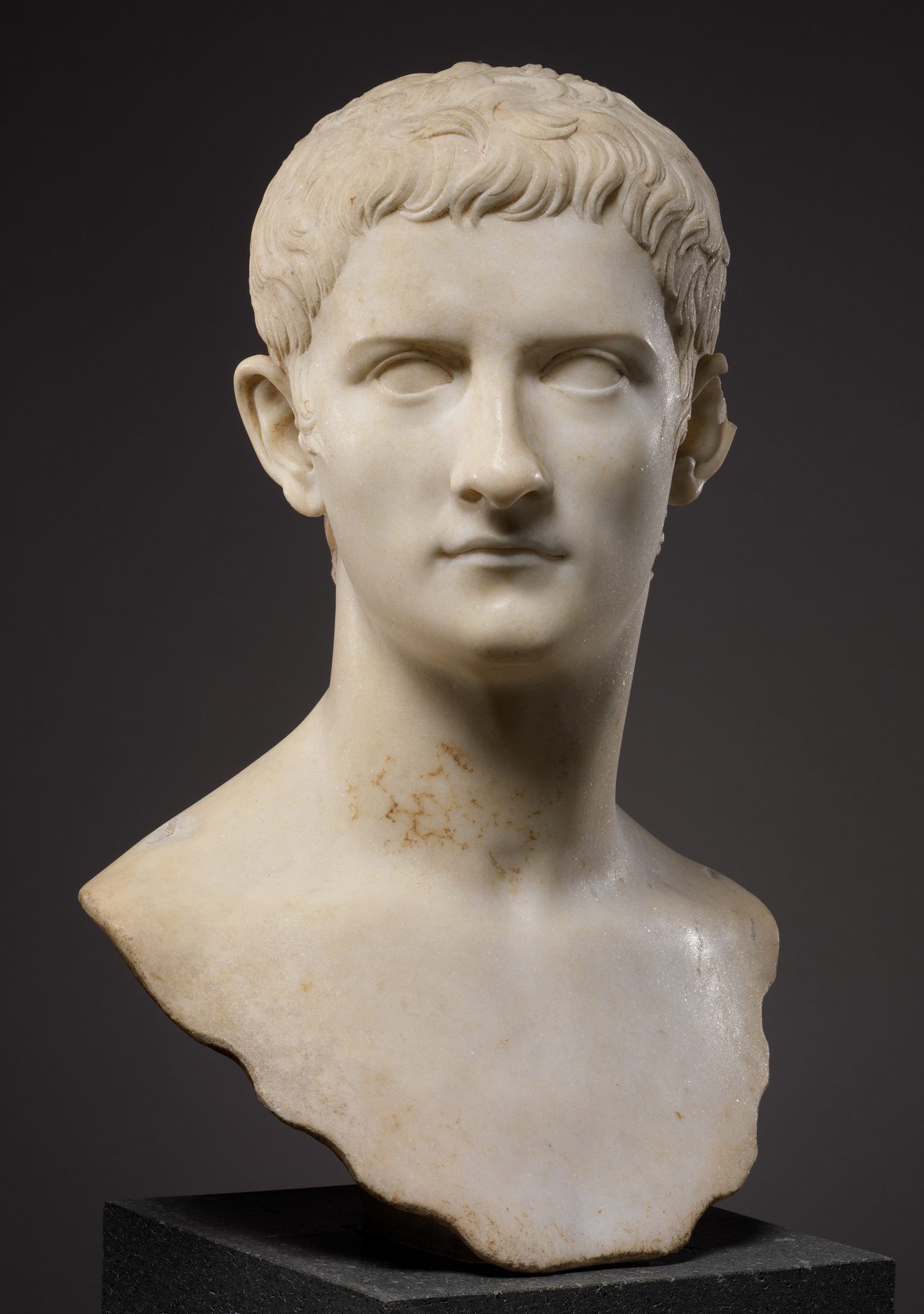
Imagen.Busto de mármol del emperador Gayo, conocido como Calígula — traducido de Marble portrait bust of the emperor Gaius, known as Caligula (wikimedia · CC0)
Busto de mármol del emperador Gayo, conocido como Calígula — Marble portrait bust of the emperor Gaius, known as Caligula · fuente
Red = the form breaks the regular pattern. Everything in black you could have worked out from the endings alone.
ser
to be (essence)por persona-er irregular
participiosidogerundiosiendohe + participiohe sidoestoy + gerundioestoy siendo
yo
I — the speaker
Presente
soyI am
Perfecto
he sidoI have been
Subj. presente
sea(that) I am
Subj. perfecto
haya sido(that) I have been
Futuro
seréI will be
Condicional
seríaI would be
Fut. perfecto
habré sidoI will have been
Cond. perfecto
habría sidoI would have been
Subj. futuro
fuere(should) I be
Indefinido
fuiI was
Imperfecto
eraI used to be
Pluscuamp.
había sidoI had been
Subj. imperf.
fuera(that) I was
Subj. -se
fuese(that) I was
Subj. pluscuamp.
hubiera sido(that) I had been
Pret. anterior
hube sidoI had been
Imperativo
—
Imper. negativo
—
nosotros / nosotras
we — the speaker plus others
Presente
somoswe are
Perfecto
hemos sidowe have been
Subj. presente
seamos(that) we are
Subj. perfecto
hayamos sido(that) we have been
Futuro
seremoswe will be
Condicional
seríamoswe would be
Fut. perfecto
habremos sidowe will have been
Cond. perfecto
habríamos sidowe would have been
Subj. futuro
fuéremos(should) we be
Indefinido
fuimoswe were
Imperfecto
éramoswe used to be
Pluscuamp.
habíamos sidowe had been
Subj. imperf.
fuéramos(that) we were
Subj. -se
fuésemos(that) we were
Subj. pluscuamp.
hubiéramos sido(that) we had been
Pret. anterior
hubimos sidowe had been
Imperativo
seamoslet's be
Imper. negativo
no seamoslet's not be
tú
you (informal) — one person you are familiar with
Presente
eresyou are
Perfecto
has sidoyou have been
Subj. presente
seas(that) you are
Subj. perfecto
hayas sido(that) you have been
Futuro
serásyou will be
Condicional
seríasyou would be
Fut. perfecto
habrás sidoyou will have been
Cond. perfecto
habrías sidoyou would have been
Subj. futuro
fueres(should) you be
Indefinido
fuisteyou were
Imperfecto
erasyou used to be
Pluscuamp.
habías sidoyou had been
Subj. imperf.
fueras(that) you were
Subj. -se
fueses(that) you were
Subj. pluscuamp.
hubieras sido(that) you had been
Pret. anterior
hubiste sidoyou had been
Imperativo
sébe!
Imper. negativo
no seasdon't be
vosotros / vosotras
you all — informal plural, Spain only
Presente
soisyou all are
Perfecto
habéis sidoyou all have been
Subj. presente
seáis(that) you all are
Subj. perfecto
hayáis sido(that) you all have been
Futuro
seréisyou all will be
Condicional
seríaisyou all would be
Fut. perfecto
habréis sidoyou all will have been
Cond. perfecto
habríais sidoyou all would have been
Subj. futuro
fuereis(should) you all be
Indefinido
fuisteisyou all were
Imperfecto
eraisyou all used to be
Pluscuamp.
habíais sidoyou all had been
Subj. imperf.
fuerais(that) you all were
Subj. -se
fueseis(that) you all were
Subj. pluscuamp.
hubierais sido(that) you all had been
Pret. anterior
hubisteis sidoyou all had been
Imperativo
sedbe!
Imper. negativo
no seáisdon't be
él / ella / usted
he, she, you (formal) — one other person — formal you shares it
Presente
eshe/she is
Perfecto
ha sidohe/she has been
Subj. presente
sea(that) he/she is
Subj. perfecto
haya sido(that) he/she has been
Futuro
seráhe/she will be
Condicional
seríahe/she would be
Fut. perfecto
habrá sidohe/she will have been
Cond. perfecto
habría sidohe/she would have been
Subj. futuro
fuere(should) he/she be
Indefinido
fuehe/she was
Imperfecto
erahe/she used to be
Pluscuamp.
había sidohe/she had been
Subj. imperf.
fuera(that) he/she was
Subj. -se
fuese(that) he/she was
Subj. pluscuamp.
hubiera sido(that) he/she had been
Pret. anterior
hubo sidohe/she had been
Imperativo
seabe!
Imper. negativo
no seadon't be
ellos / ellas / ustedes
they, you all — several others — plural you shares it
Presente
sonthey are
Perfecto
han sidothey have been
Subj. presente
sean(that) they are
Subj. perfecto
hayan sido(that) they have been
Futuro
seránthey will be
Condicional
seríanthey would be
Fut. perfecto
habrán sidothey will have been
Cond. perfecto
habrían sidothey would have been
Subj. futuro
fueren(should) they be
Indefinido
fueronthey were
Imperfecto
eranthey used to be
Pluscuamp.
habían sidothey had been
Subj. imperf.
fueran(that) they were
Subj. -se
fuesen(that) they were
Subj. pluscuamp.
hubieran sido(that) they had been
Pret. anterior
hubieron sidothey had been
Imperativo
seanbe!
Imper. negativo
no seandon't be
PresenteSoy de Chile, pero vivo en Madrid.I am from Chile, but I live in Madrid.
Presente de subjuntivoNo creo que sea tan caro.I don't think it's that expensive.
Pretérito indefinidoFue un día muy largo.It was a very long day.
Pretérito imperfectoCuando era joven, todo era más fácil.When I was young, everything was easier.
Futuro simpleSerá difícil, pero vale la pena.It will be hard, but it's worth it.
Condicional simpleSería un honor trabajar contigo.It would be an honor to work with you.
Identity, origin, profession, material, time — what something fundamentally is. Contrast estar. Watch out: ser and ir share one preterite (fui, fuiste, fue…); only context separates 'I was' from 'I went'.
Imagen.Busto de mármol del emperador Gayo, conocido como Calígula — traducido de Marble portrait bust of the emperor Gaius, known as Caligula (wikimedia · CC0)
Busto de mármol del emperador Gayo, conocido como Calígula — Marble portrait bust of the emperor Gaius, known as Caligula · fuente
Red = the form breaks the regular pattern. Everything in black you could have worked out from the endings alone.