Present — what is happening now, and what happens habitually
yo
pidoI ask for
nosotros
pedimoswe ask for
tú
pidesyou ask for
vosotros
pedísyou all ask for
él/ella/Ud.
pidehe/she asks for
ellos/Uds.
pidenthey ask for
Pretérito perfecto
Present perfect — have —ed; a past still touching now. Spain: today, this week. Latin America: mostly the indefinido instead
yo
he pedidoI have asked for
nosotros
hemos pedidowe have asked for
tú
has pedidoyou have asked for
vosotros
habéis pedidoyou all have asked for
él/ella/Ud.
ha pedidohe/she has asked for
ellos/Uds.
han pedidothey have asked for
Presente de subjuntivo
Present subjunctive — after que with wishes, doubt, emotion, ojalá
yo
pida(that) I ask for
nosotros
pidamos(that) we ask for
tú
pidas(that) you ask for
vosotros
pidáis(that) you all ask for
él/ella/Ud.
pida(that) he/she asks for
ellos/Uds.
pidan(that) they ask for
Perfecto de subjuntivo
Present perfect subjunctive — have —ed, under doubt or emotion: no creo que haya venido
yo
haya pedido(that) I have asked for
nosotros
hayamos pedido(that) we have asked for
tú
hayas pedido(that) you have asked for
vosotros
hayáis pedido(that) you all have asked for
él/ella/Ud.
haya pedido(that) he/she has asked for
ellos/Uds.
hayan pedido(that) they have asked for
Pasadowhat went on
Pretérito indefinido
Preterite — a finished past action — it started, it ended
yo
pedíI asked for
nosotros
pedimoswe asked for
tú
pedisteyou asked for
vosotros
pedisteisyou all asked for
él/ella/Ud.
pidióhe/she asked for
ellos/Uds.
pidieronthey asked for
Pretérito imperfecto
Imperfect — used to / was —ing; background, habits, descriptions
yo
pedíaI used to ask for
nosotros
pedíamoswe used to ask for
tú
pedíasyou used to ask for
vosotros
pedíaisyou all used to ask for
él/ella/Ud.
pedíahe/she used to ask for
ellos/Uds.
pedíanthey used to ask for
Pretérito pluscuamperfecto
Past perfect — had —ed; further back than another past event
yo
había pedidoI had asked for
nosotros
habíamos pedidowe had asked for
tú
habías pedidoyou had asked for
vosotros
habíais pedidoyou all had asked for
él/ella/Ud.
había pedidohe/she had asked for
ellos/Uds.
habían pedidothey had asked for
Imperfecto de subjuntivo (-ra)
Imperfect subjunctive — si clauses and past-tense wishes: si tuviera, quería que fuera
yo
pidiera(that) I asked for
nosotros
pidiéramos(that) we asked for
tú
pidieras(that) you asked for
vosotros
pidierais(that) you all asked for
él/ella/Ud.
pidiera(that) he/she asked for
ellos/Uds.
pidieran(that) they asked for
Imperfecto de subjuntivo (-se)
Imperfect subjunctive — the same tense, second form; commoner in Spain and in writing
yo
pidiese(that) I asked for
nosotros
pidiésemos(that) we asked for
tú
pidieses(that) you asked for
vosotros
pidieseis(that) you all asked for
él/ella/Ud.
pidiese(that) he/she asked for
ellos/Uds.
pidiesen(that) they asked for
Pluscuamperfecto de subjuntivo
Past perfect subjunctive — had —ed, hypothetically: si hubiera sabido
yo
hubiera pedido(that) I had asked for
nosotros
hubiéramos pedido(that) we had asked for
tú
hubieras pedido(that) you had asked for
vosotros
hubierais pedido(that) you all had asked for
él/ella/Ud.
hubiera pedido(that) he/she had asked for
ellos/Uds.
hubieran pedido(that) they had asked for
Pretérito anterior
Preterite perfect — had —ed, immediately before; literary, all but extinct
yo
hube pedidoI had asked for
nosotros
hubimos pedidowe had asked for
tú
hubiste pedidoyou had asked for
vosotros
hubisteis pedidoyou all had asked for
él/ella/Ud.
hubo pedidohe/she had asked for
ellos/Uds.
hubieron pedidothey had asked for
Futurowhat will or would go on
Futuro simple
Future — will — (spoken Spanish often prefers voy a + infinitivo)
yo
pediréI will ask for
nosotros
pediremoswe will ask for
tú
pedirásyou will ask for
vosotros
pediréisyou all will ask for
él/ella/Ud.
pediráhe/she will ask for
ellos/Uds.
pediránthey will ask for
Condicional simple
Conditional — would —; also softens a request into politeness
yo
pediríaI would ask for
nosotros
pediríamoswe would ask for
tú
pediríasyou would ask for
vosotros
pediríaisyou all would ask for
él/ella/Ud.
pediríahe/she would ask for
ellos/Uds.
pediríanthey would ask for
Futuro perfecto
Future perfect — will have —ed; done by some future point
yo
habré pedidoI will have asked for
nosotros
habremos pedidowe will have asked for
tú
habrás pedidoyou will have asked for
vosotros
habréis pedidoyou all will have asked for
él/ella/Ud.
habrá pedidohe/she will have asked for
ellos/Uds.
habrán pedidothey will have asked for
Condicional perfecto
Conditional perfect — would have —ed; the road not taken
yo
habría pedidoI would have asked for
nosotros
habríamos pedidowe would have asked for
tú
habrías pedidoyou would have asked for
vosotros
habríais pedidoyou all would have asked for
él/ella/Ud.
habría pedidohe/she would have asked for
ellos/Uds.
habrían pedidothey would have asked for
Futuro de subjuntivo
Future subjunctive — legal and proverbial only: adonde fueres, haz lo que vieres
yo
pidiere(should) I ask for
nosotros
pidiéremos(should) we ask for
tú
pidieres(should) you ask for
vosotros
pidiereis(should) you all ask for
él/ella/Ud.
pidiere(should) he/she ask for
ellos/Uds.
pidieren(should) they ask for
Imperativotelling someone to
Imperativo afirmativo
Imperative (do it) — orders and requests; there is no yo form
yo
—
nosotros
pidamoslet's ask for
tú
pideask for!
vosotros
pedidask for!
él/ella/Ud.
pidaask for!
ellos/Uds.
pidanask for!
Imperativo negativo
Imperative (don't) — no + subjunctive — never the affirmative form with no in front
yo
—
nosotros
no pidamoslet's not ask for
tú
no pidasdon't ask for
vosotros
no pidáisdon't ask for
él/ella/Ud.
no pidadon't ask for
ellos/Uds.
no pidandon't ask for
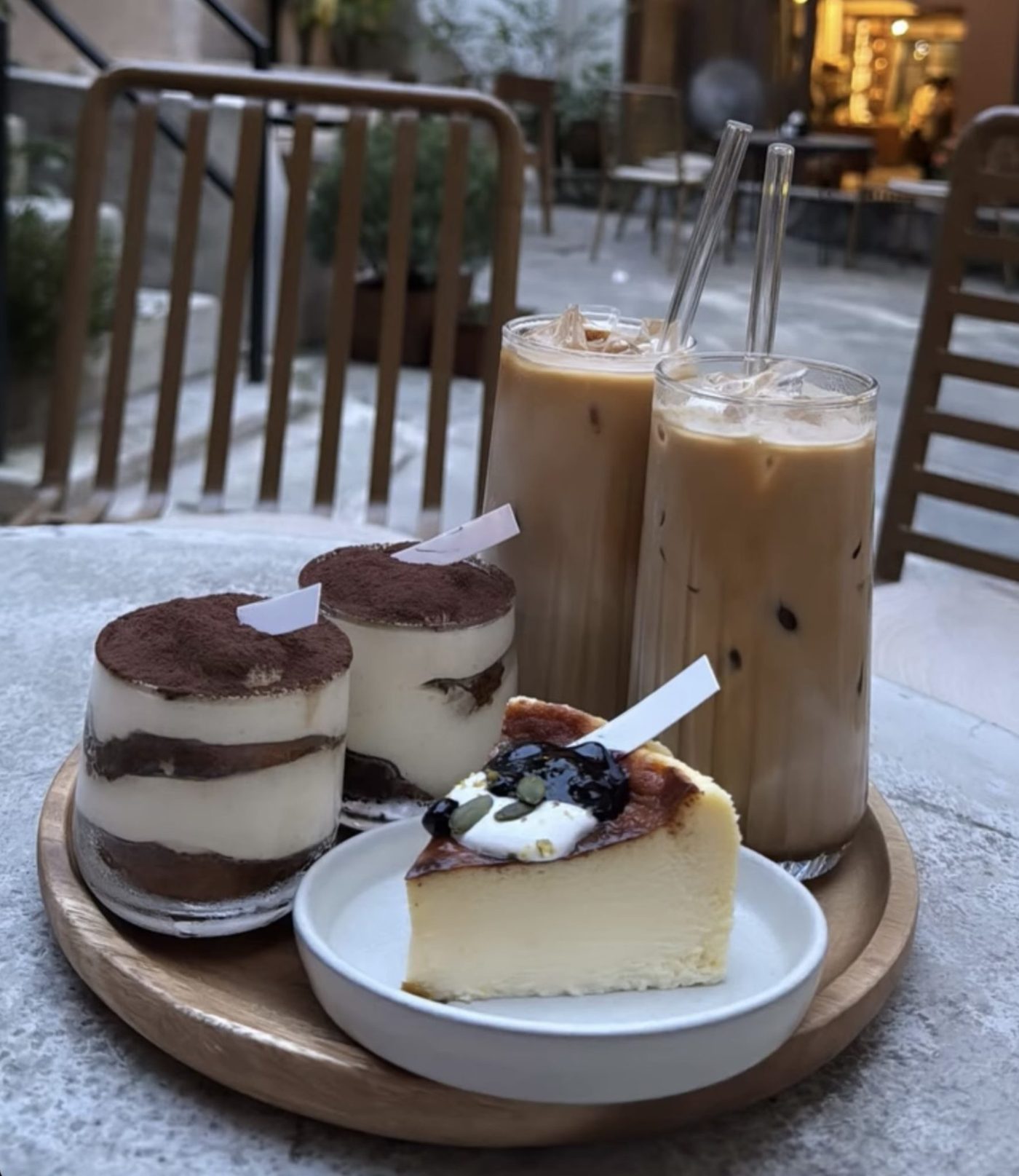
Imagen.Una mesa de cafetería acogedora con dos tiramisús en vaso, una porción de tarta de queso con arándanos y dos cafés con hielo sobre una bandeja de madera. Al fondo, sillas y plantas. — traducido de A cozy cafe table with two tiramisu cups, a slice of blueberry cheesecake on a plate, and two iced coffees on a wooden tray. Background shows chairs and greenery. (Roman Khadka · wordpress · CC0)
Una mesa de cafetería acogedora con dos tiramisús en vaso, una porción de tarta de queso con arándanos y dos cafés con hielo sobre una bandeja de madera. Al fondo, sillas y plantas. — A cozy cafe table with two tiramisu cups, a slice of blueberry cheesecake on a plate, and two iced coffees on a wooden tray. Background shows chairs and greenery. · fuente
Red = the form breaks the regular pattern. Everything in black you could have worked out from the endings alone.
he, she, you (formal) — one other person — formal you shares it
Presente
pidehe/she asks for
Perfecto
ha pedidohe/she has asked for
Subj. presente
pida(that) he/she asks for
Subj. perfecto
haya pedido(that) he/she has asked for
Futuro
pediráhe/she will ask for
Condicional
pediríahe/she would ask for
Fut. perfecto
habrá pedidohe/she will have asked for
Cond. perfecto
habría pedidohe/she would have asked for
Subj. futuro
pidiere(should) he/she ask for
Indefinido
pidióhe/she asked for
Imperfecto
pedíahe/she used to ask for
Pluscuamp.
había pedidohe/she had asked for
Subj. imperf.
pidiera(that) he/she asked for
Subj. -se
pidiese(that) he/she asked for
Subj. pluscuamp.
hubiera pedido(that) he/she had asked for
Pret. anterior
hubo pedidohe/she had asked for
Imperativo
pidaask for!
Imper. negativo
no pidadon't ask for
ellos / ellas / ustedes
they, you all — several others — plural you shares it
Presente
pidenthey ask for
Perfecto
han pedidothey have asked for
Subj. presente
pidan(that) they ask for
Subj. perfecto
hayan pedido(that) they have asked for
Futuro
pediránthey will ask for
Condicional
pediríanthey would ask for
Fut. perfecto
habrán pedidothey will have asked for
Cond. perfecto
habrían pedidothey would have asked for
Subj. futuro
pidieren(should) they ask for
Indefinido
pidieronthey asked for
Imperfecto
pedíanthey used to ask for
Pluscuamp.
habían pedidothey had asked for
Subj. imperf.
pidieran(that) they asked for
Subj. -se
pidiesen(that) they asked for
Subj. pluscuamp.
hubieran pedido(that) they had asked for
Pret. anterior
hubieron pedidothey had asked for
Imperativo
pidanask for!
Imper. negativo
no pidandon't ask for
Imagen.Una mesa de cafetería acogedora con dos tiramisús en vaso, una porción de tarta de queso con arándanos y dos cafés con hielo sobre una bandeja de madera. Al fondo, sillas y plantas. — traducido de A cozy cafe table with two tiramisu cups, a slice of blueberry cheesecake on a plate, and two iced coffees on a wooden tray. Background shows chairs and greenery. (Roman Khadka · wordpress · CC0)
Una mesa de cafetería acogedora con dos tiramisús en vaso, una porción de tarta de queso con arándanos y dos cafés con hielo sobre una bandeja de madera. Al fondo, sillas y plantas. — A cozy cafe table with two tiramisu cups, a slice of blueberry cheesecake on a plate, and two iced coffees on a wooden tray. Background shows chairs and greenery. · fuente
Red = the form breaks the regular pattern. Everything in black you could have worked out from the endings alone.